

An African Photography Safari You Have Never Seen Before
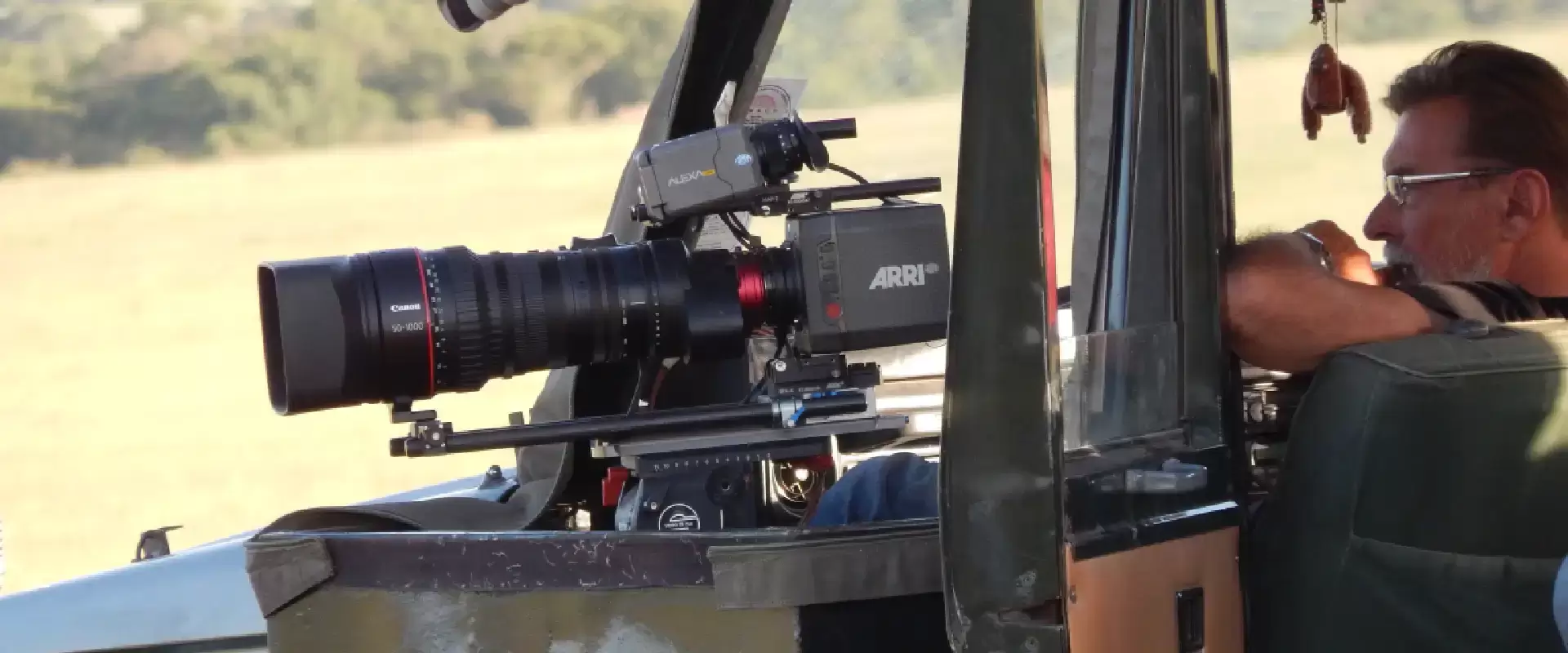
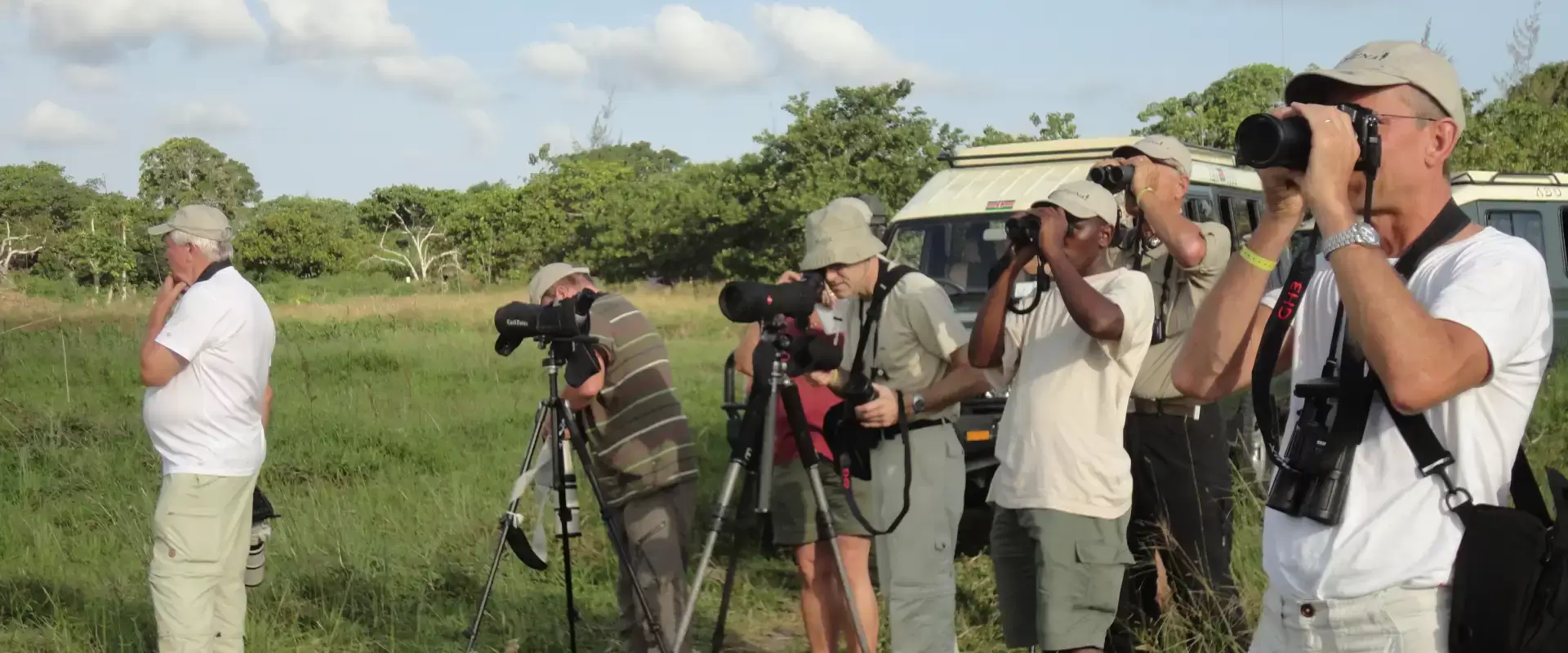
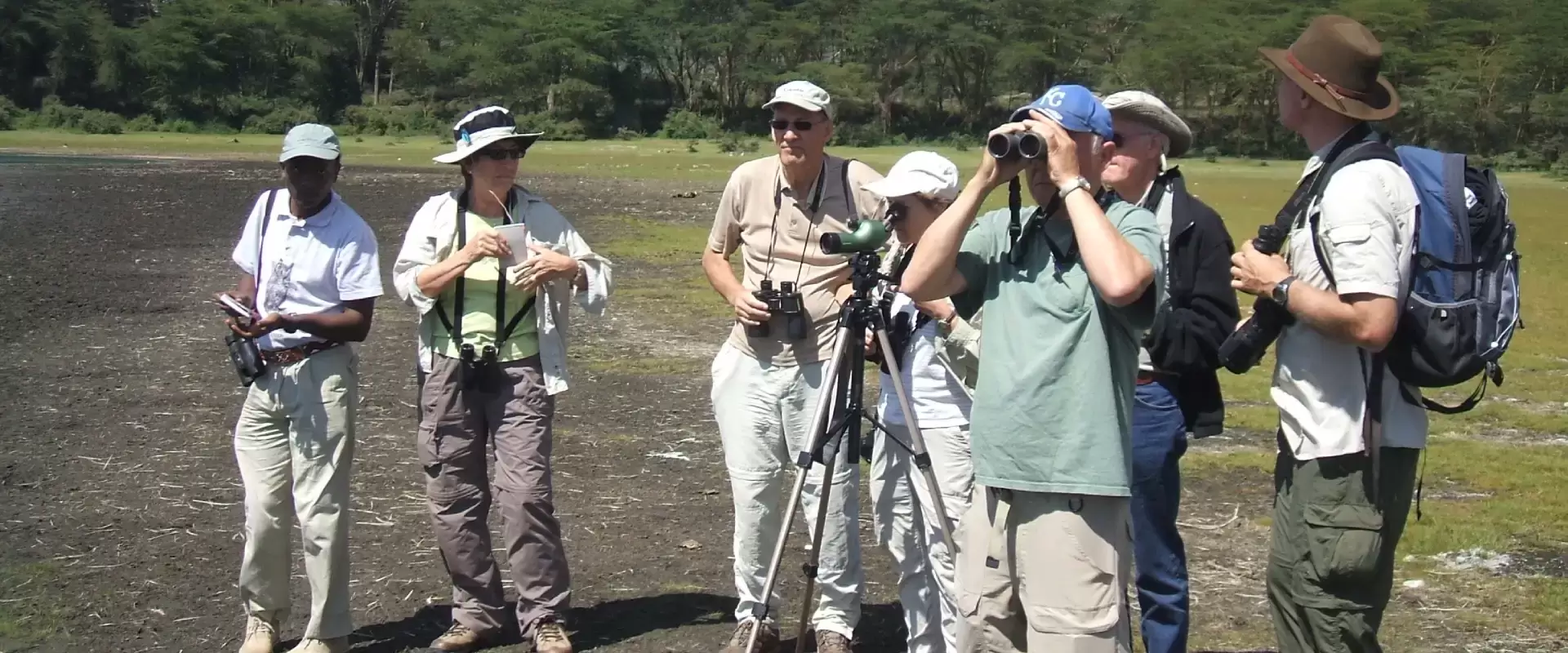
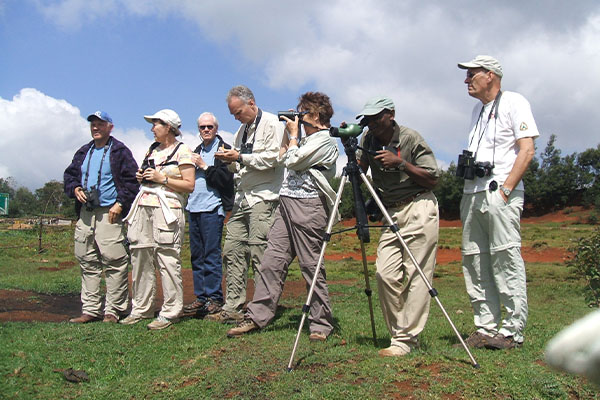
Photography safaris in Africa are about seeing the wild through a more focused lens, literally and emotionally. Instead of rushing from one sighting to the next, you’re invited to slow down and watch scenes unfold. You wait for the perfect light. You track an animal’s movement. You learn patience, timing, and how nature rewards stillness.
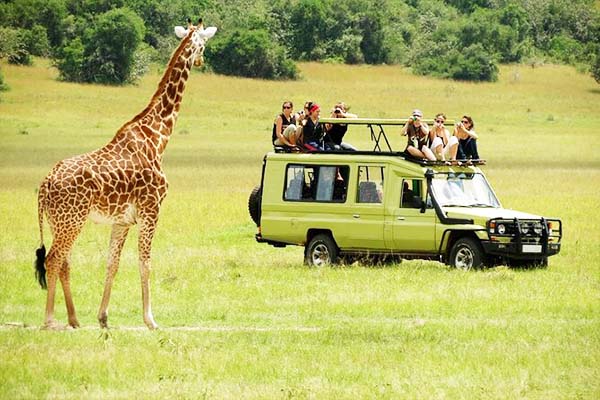
The experience is immersive and intentional. Early mornings begin with soft golden light, perfect for capturing silhouettes of giraffes or dust trails behind elephants. During the day, guides help position you for the best angles, whether it’s a leopard resting in a tree or a herd of zebras at a watering hole. Evenings end with quiet sunsets, where every color feels exaggerated and every moment is worth remembering.










Where US Photographers go for the Best Photography Safari in Africa?
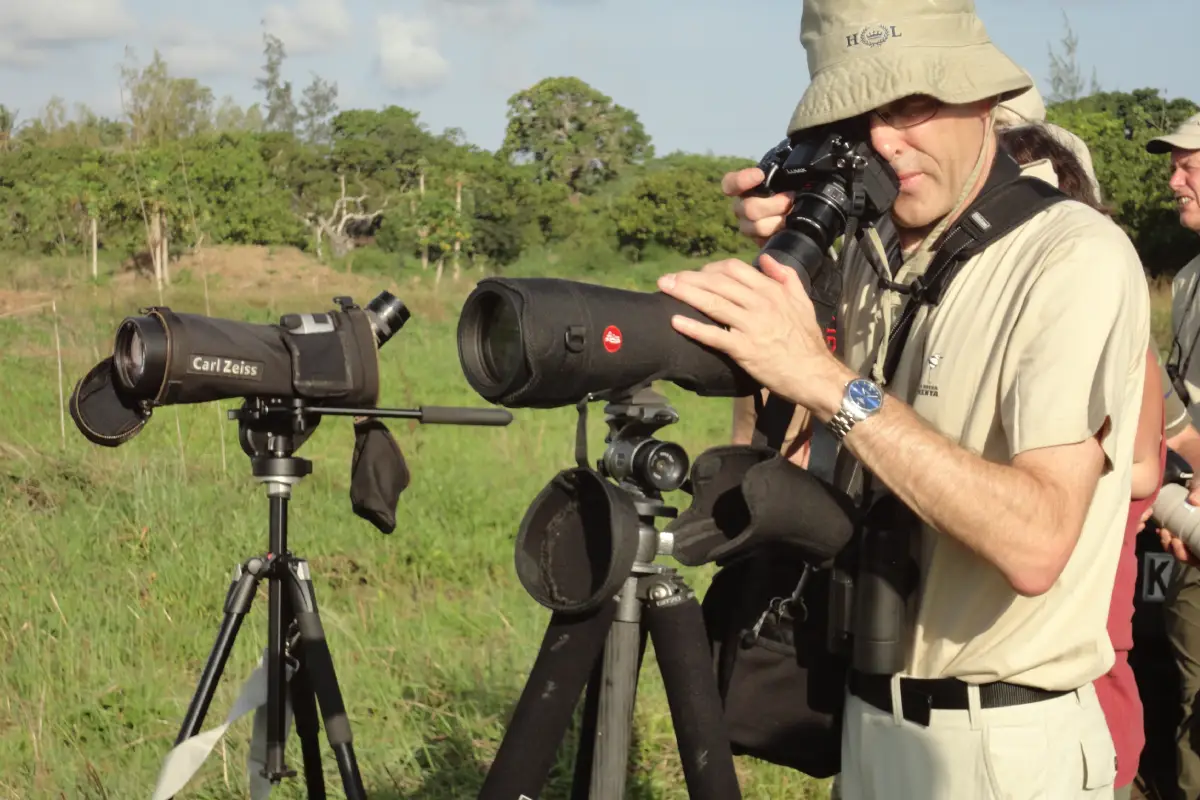
Below are the top photo safari packages to some of Africa’s best photographic safaris. They are built across different destinations like Kenya, Uganda, and Tanzania. We offer budget, mid-luxury, and luxury Safari tours for seasoned and training photographers. Whether you are interested in wildlife photography, birding photo safari, or scenic photos, we have something for everyone.
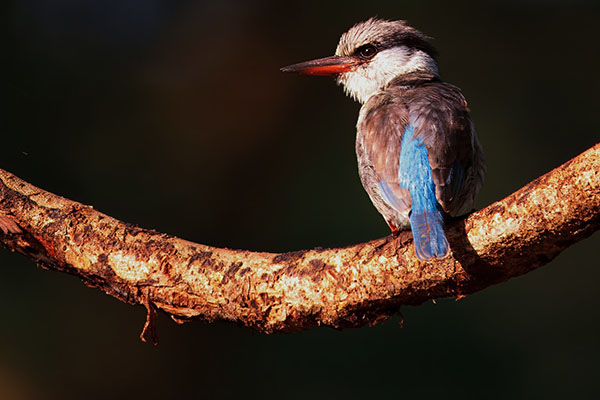
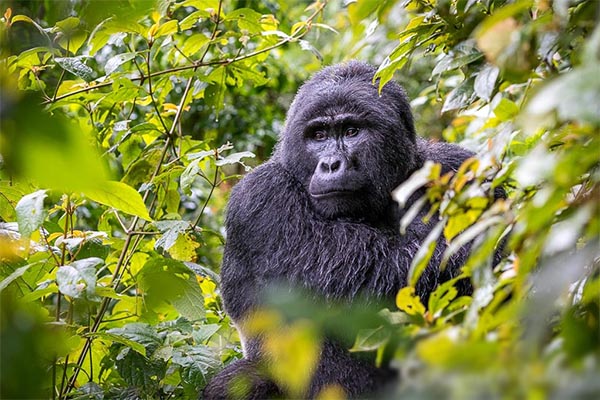
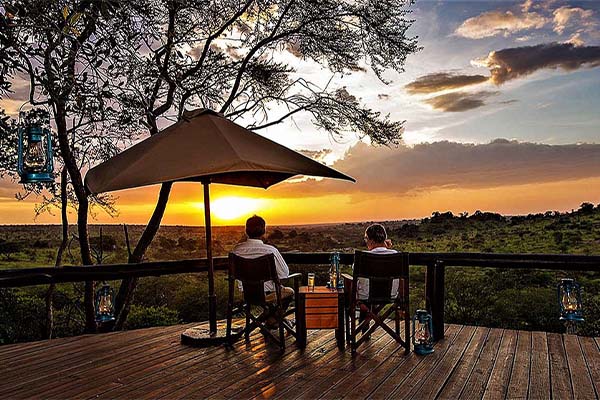
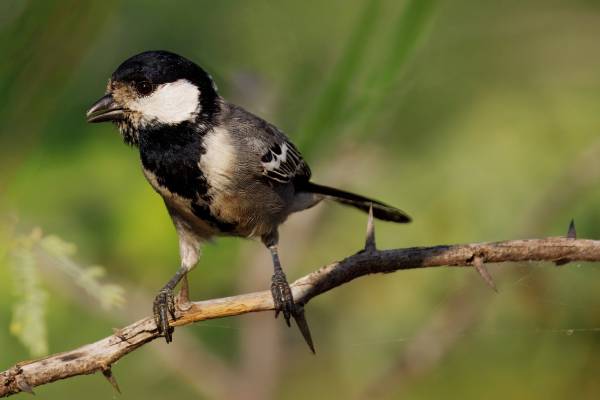
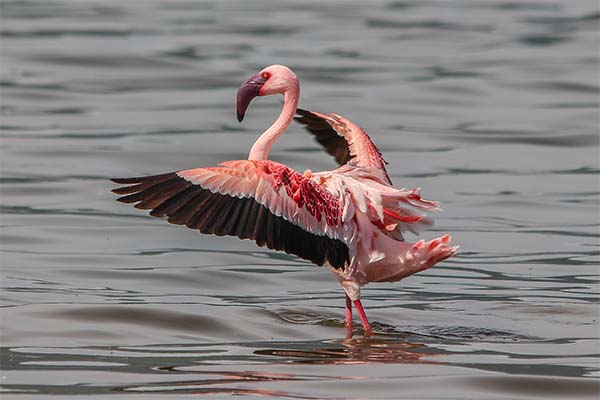
Why go on Photography Safaris in Africa from the US?
For US-based travelers, Africa offers a photography experience that’s unmatched anywhere else. It’s not just about getting the shot, it’s about being present in wild, majestic spaces where nature still writes its own rules. Whether you’re a hobbyist or a professional, an African photography safari immerses you in moments you simply can’t recreate back home. Here are top reasons to book photography safaris in Africa this year:
A Typical Day in a Photography Safari
Photography safaris are built around light, patience, and timing. The goal is to be in the right place at the right moment — when wildlife stirs, the skies change, and the landscape tells its story. While each day may vary slightly depending on location and season, most follow a structured yet flexible routine that balances adventure, creative freedom, and rest.
Hourly Breakdown: A Day on Safari for Photographers
Types of Photography Safaris
Whether you’re a seasoned photographer or just starting out, we offer a variety of photography safari experiences tailored to your interests and style. Here are the main types you can choose from:
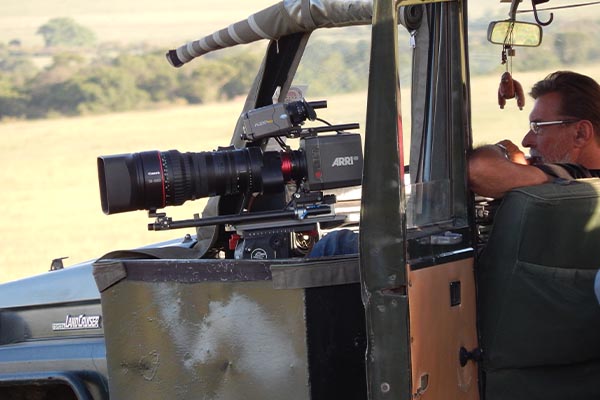
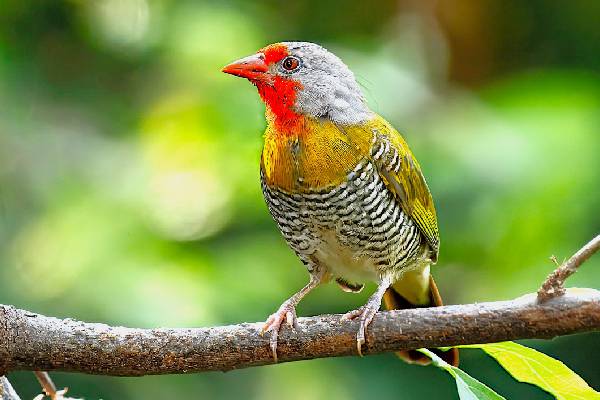
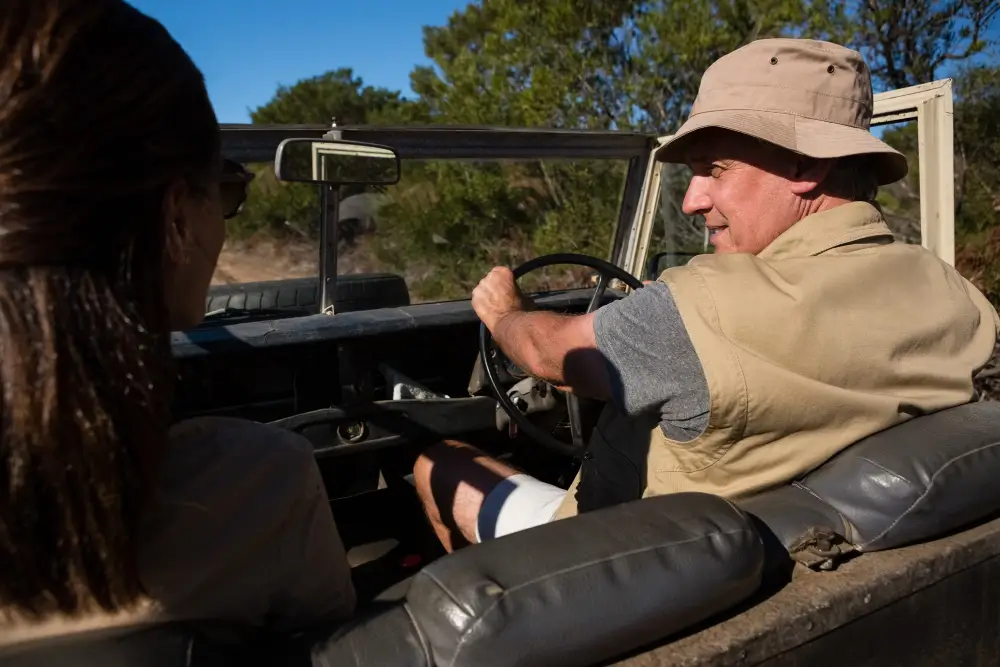
Best Time to Go for a Photography Safari from the US
The best time to go on a photography safari in Africa is during the dry season, from June to October, when animals gather near water sources and the vegetation is thin, making it easier to spot and photograph wildlife. However, every month offers something unique. Whether it’s dramatic predator action, bird migrations, lush green landscapes, or the famous wildebeest migration, there’s always something special to capture. Here’s a month-by-month breakdown to help you plan your ideal safari.
- What to Capture: Lush green landscapes, newborn animals, and migratory birds.
- Good For: Bird photography and dramatic skies.
- Region Tip: Great for the southern Serengeti (Tanzania) calving season.
- What to Capture: Predator-prey action as lions and cheetahs hunt newborns.
- Good For: Fast-action shots of big cats and scenic savannahs.
- Region Tip: The Southern Serengeti remains active.
- What to Capture: Lush backdrops, elephants, and birdlife.
- Good For: Creative landscape and wildlife photography.
- Region Tip: Beginning of the long rains, fewer tourists.
- What to Capture: Reflections in puddles, rich colours, and dramatic cloud formations.
- Good For: More intimate wildlife scenes and rare moods.
- Note: Some areas can be hard to access due to rain.
- What to Capture: Fresh greenery and calm before peak season.
- Good For: Photographers seeking peaceful, less-crowded safaris.
- Note: Transition to dry season begins.
- What to Capture: Clear skies, dry landscapes, and increasing animal movement.
- Good For: General wildlife and scenic shots.
- Region Tip: Excellent in Kenya’s Laikipia and Samburu regions.
- What to Capture: Wildebeest migration begins in Tanzania and Kenya.
- Good For: Action photography—river crossings, predators, herds.
- Region Tip: Maasai Mara (Kenya), Serengeti (Tanzania).
- What to Capture: Peak migration scenes, big cats, elephants.
- Good For: Iconic safari photos.
- Region Tip: Maasai Mara is at its best.
- What to Capture: Continued migration action, fewer crowds, golden light.
- Good For: Storytelling photo series.
- Region Tip: Northern Serengeti and Maasai Mara.
- What to Capture: Wildlife starts dispersing, soft light, elephants in Amboseli.
- Good For: Dusty, dramatic backdrops.
- Region Tip: Amboseli for elephants with Mt. Kilimanjaro background.
- What to Capture: Migratory birds return, fresh landscapes start forming.
- Good For: Birdlife and moody weather photos.
- Note: Start of the short rains.
- What to Capture: Young wildlife, vibrant greens, great bird diversity.
- Good For: Family wildlife scenes and bright, colourful compositions.
- Note: Light rains are possible, but roads are manageable.