

Photography Safari in East Africa for UK Travellers
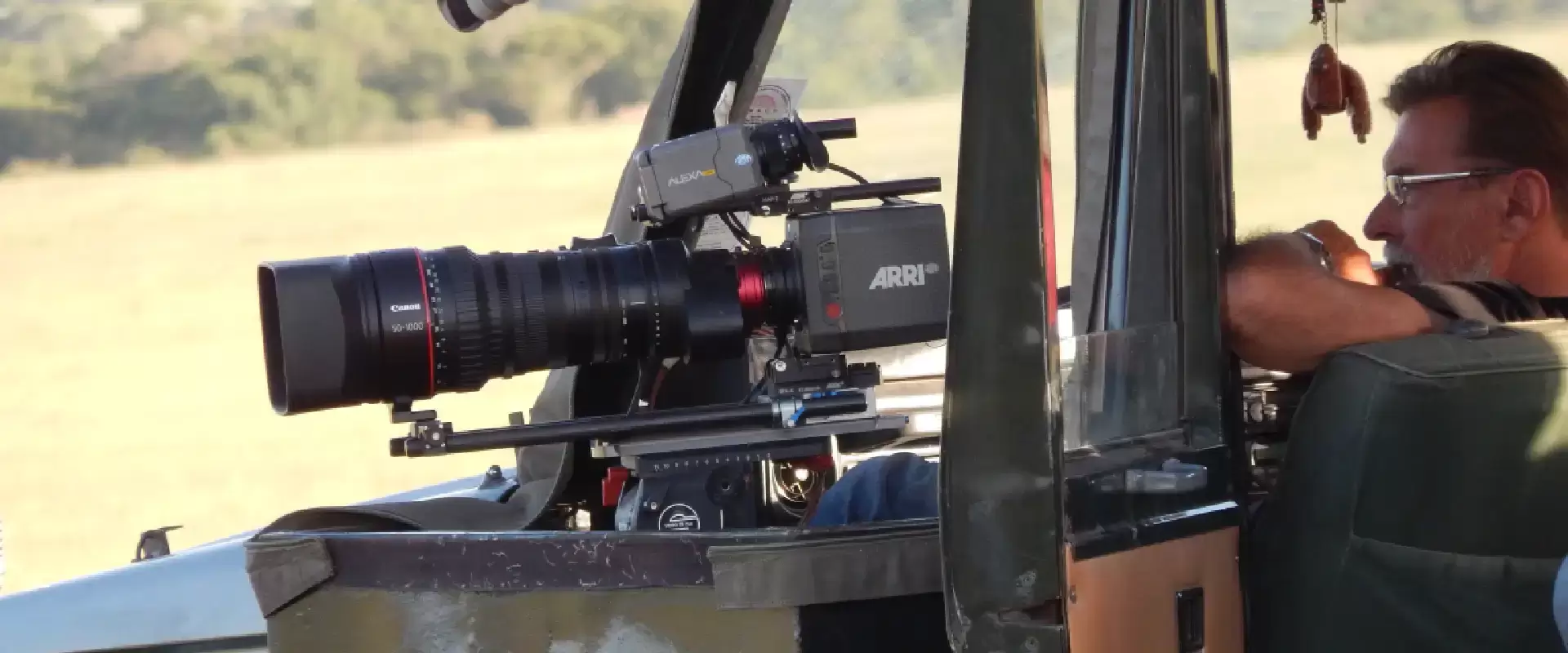
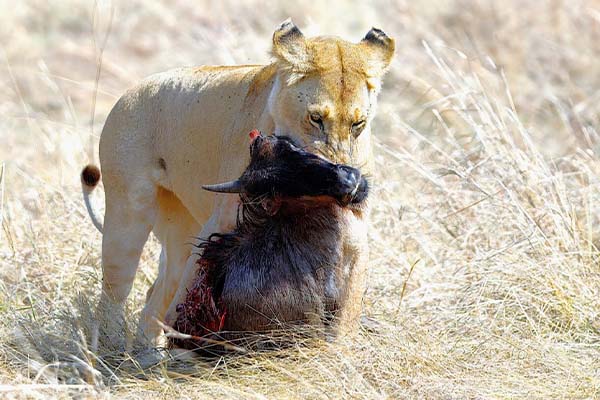
If you’re passionate about wildlife photography or want to level up your portfolio with unforgettable safari photos, then a photography safari in Africa is a must. At Nature’s Wonderland Safaris, we offer tailor-made photo safaris designed to get you up close with Africa’s most iconic wildlife — from lions on the prowl to elephants at golden hour — with the guidance of professional photography-focused guides.
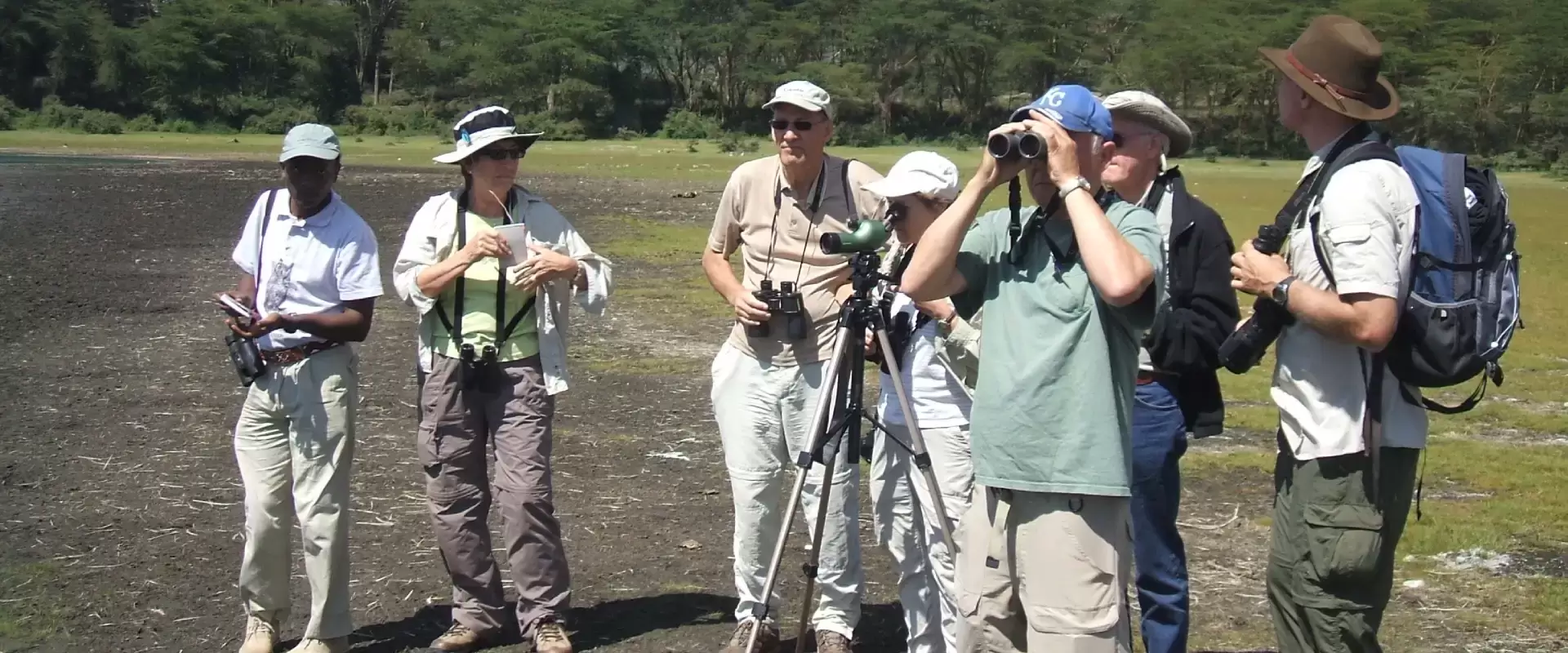
Whether you’re a seasoned photographer or just starting, our photographic safaris put you in the right place, at the right time, with the right light. With custom game drives, private vehicles, and expert local trackers, you’ll have the chance to shoot the Big 5, elusive predators, vibrant birdlife, and awe-inspiring African landscapes — all while learning or refining the art of safari photography.
From Kenya’s vast savannahs to intimate wildlife moments in exclusive conservancies, our African photo safaris give you the tools, access, and freedom to tell your story through your lens.
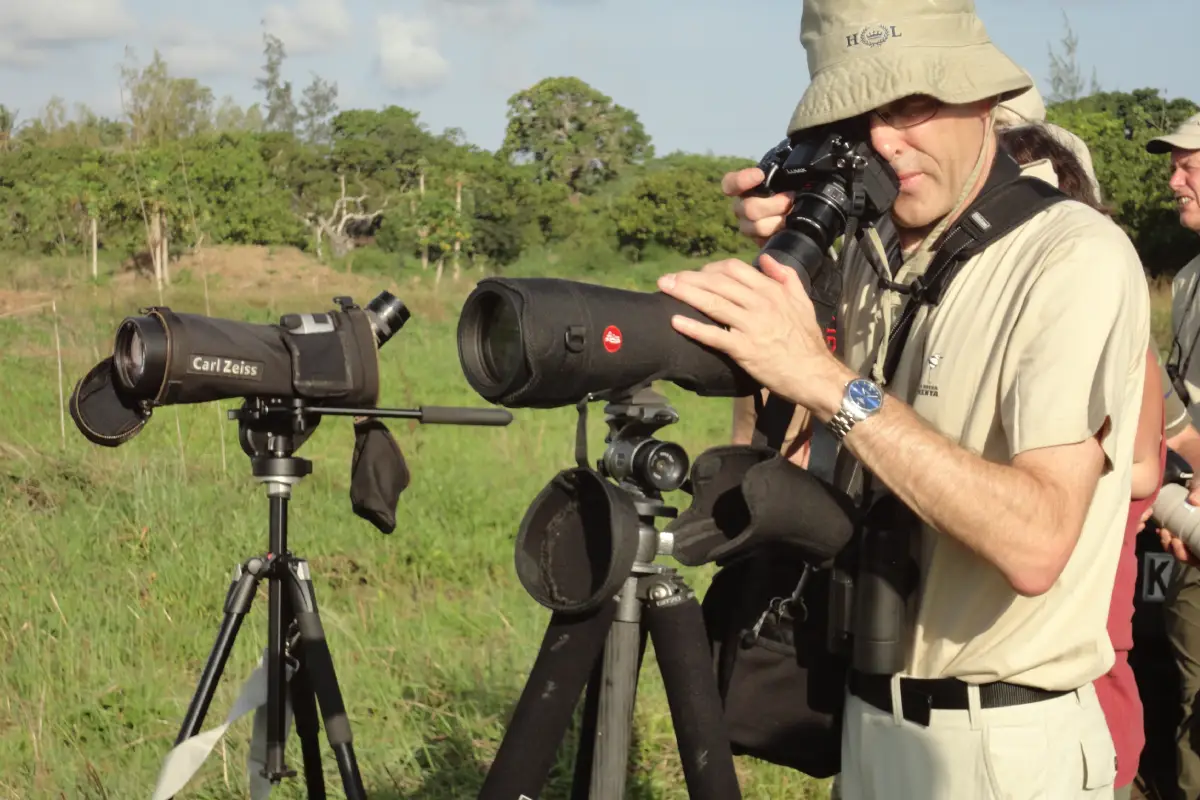










Where UK Photographers go for the Best African Photography Safaris
Below are the top photo safari packages to some of Africa’s best photographic safaris. They are built across different destinations like Kenya, Uganda, and Tanzania. We offer budget, mid-luxury, and luxury Safari tours for seasoned and training photographers. Whether you are interested in wildlife photography, birding photo safari, or scenic photos, we have something for everyone.
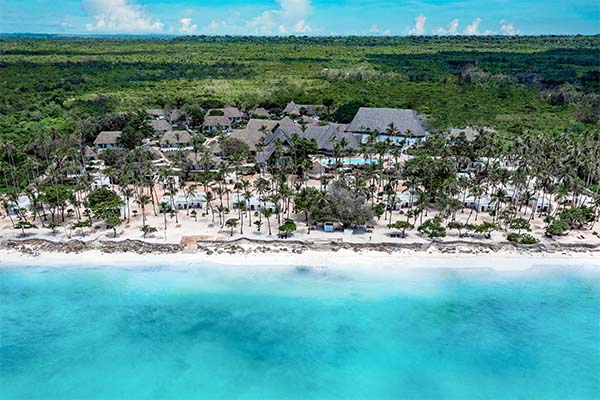
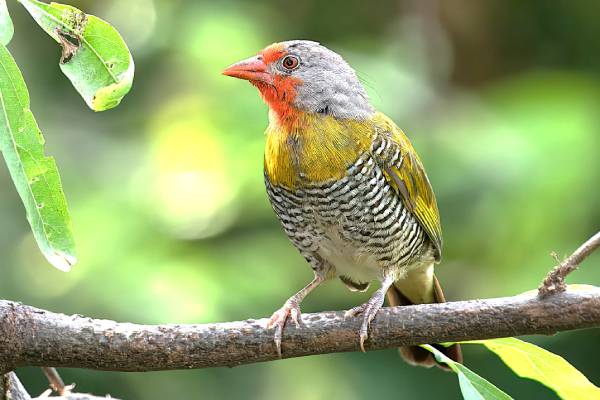
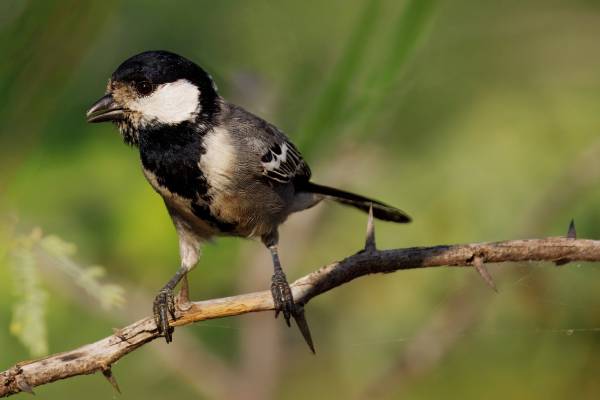
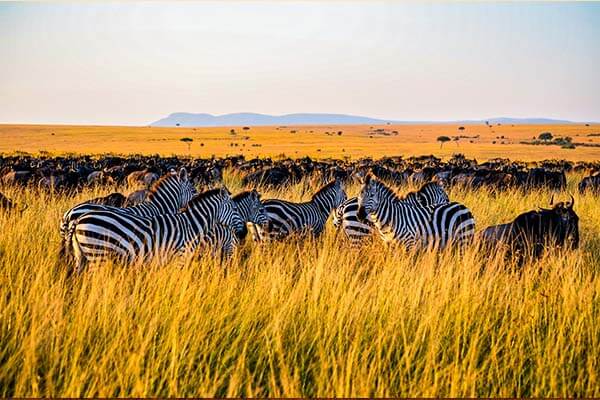
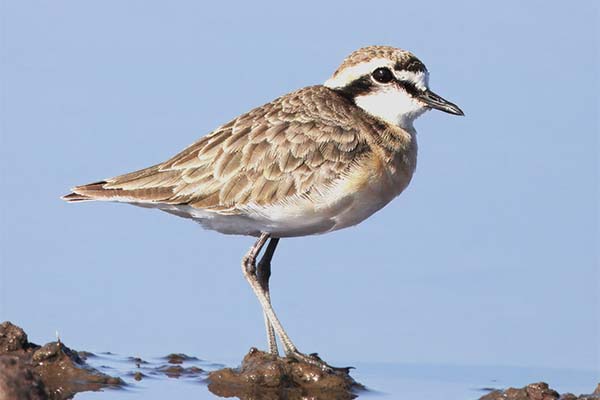
What is a Day in a Photography Safari Like?
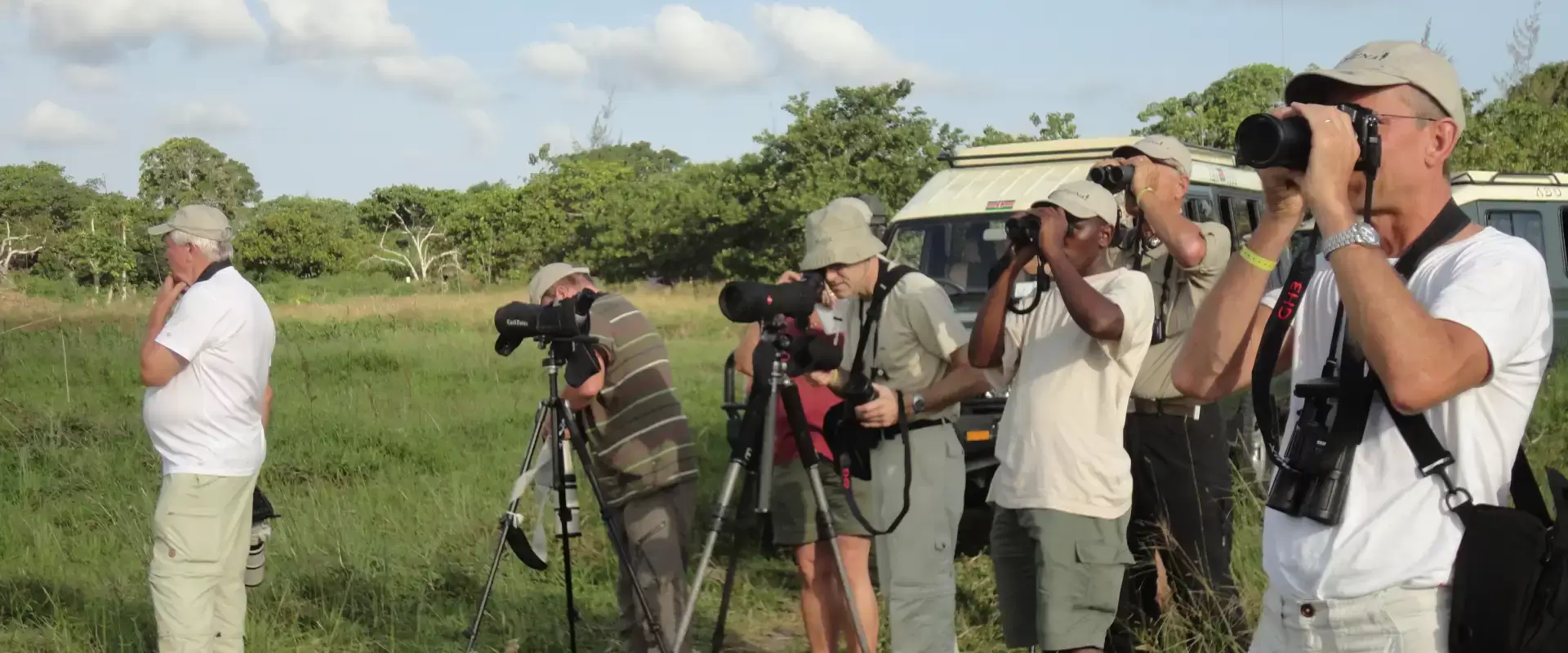
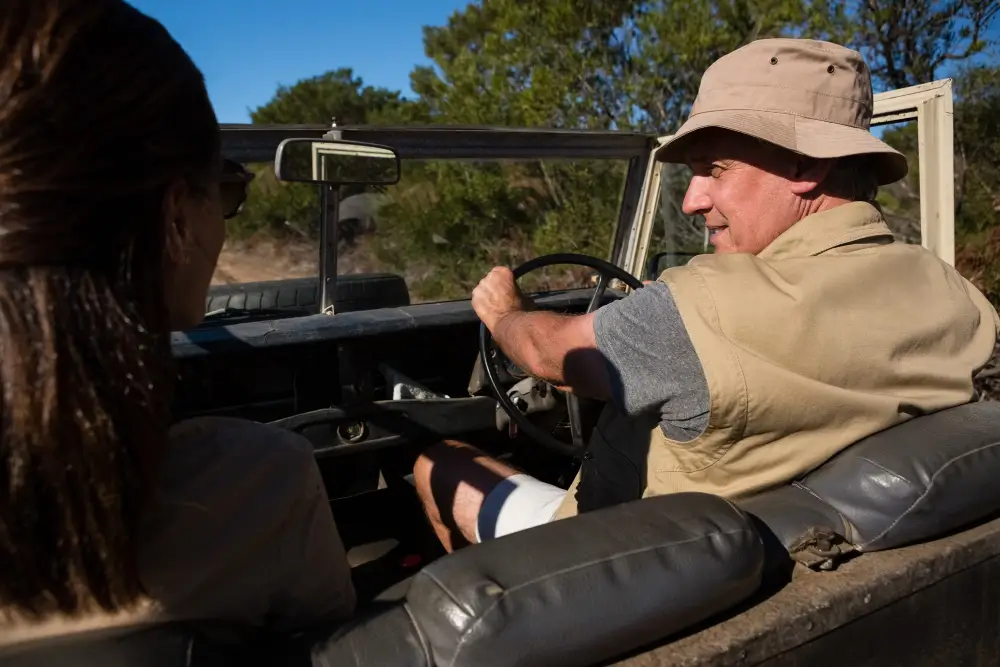
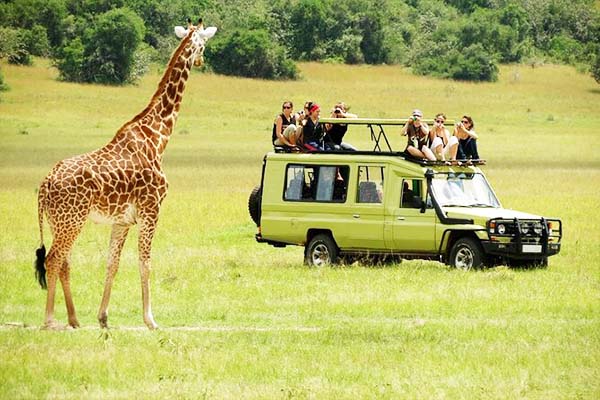
A typical day on a photography safari starts early—often before sunrise—to catch the golden morning light and wildlife at their most active. You’ll head out with a small group in a specially adapted 4×4 vehicle, guided by a driver who understands both wildlife behavior and photography angles. Drives are unhurried, allowing time to compose shots and wait for the right moment.
Midday is usually spent back at camp reviewing images, charging gear, or joining informal editing sessions. In the afternoon, you’ll head out again for prime hour, often tracking big cats, elephants, or birdlife. The day ends with sunset shots and campfire discussions about the day’s captures. Every moment is built around maximizing light, angles, and access to wildlife for the best possible photographs
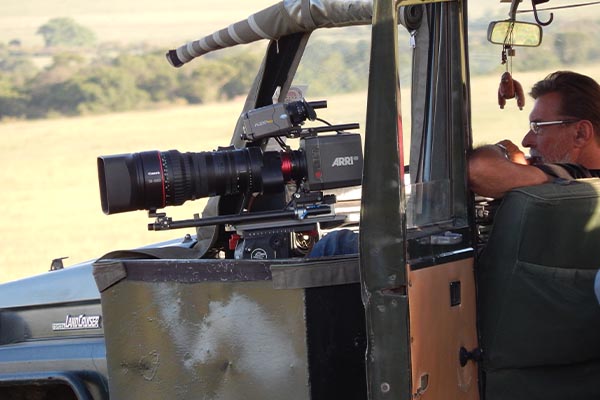
Types of Photography Safaris
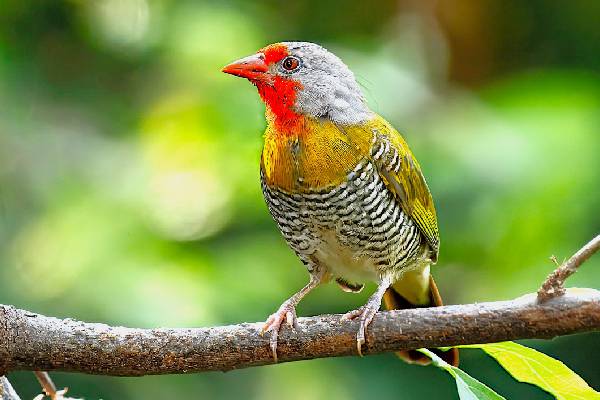
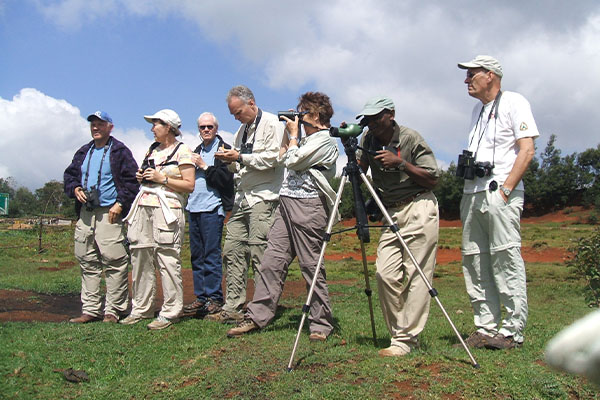
Photography safaris come in different styles, depending on your goals, level of experience, and the type of subjects you want to capture. Here are the most popular types:
Best Time to Go for a Photography Safari from the UK
When to Travel to an African Safari from the UK
The best time to go on a photography safari in Africa is during the dry season, from June to October, when animals gather near water sources and the vegetation is thin—making it easier to spot and photograph wildlife. However, every month offers something unique. Whether it’s dramatic predator action, bird migrations, lush green landscapes, or the famous wildebeest migration, there’s always something special to capture. Here’s a month-by-month breakdown to help you plan your ideal safari.
- What to Capture: Lush green landscapes, newborn animals, and migratory birds.
- Good For: Bird photography and dramatic skies.
- Region Tip: Great for the southern Serengeti (Tanzania) calving season.
- What to Capture: Predator-prey action as lions and cheetahs hunt newborns.
- Good For: Fast-action shots of big cats and scenic savannahs.
- Region Tip: The Southern Serengeti remains active.
- What to Capture: Lush backdrops, elephants, and birdlife.
- Good For: Creative landscape and wildlife photography.
- Region Tip: Beginning of the long rains, fewer tourists.
- What to Capture: Reflections in puddles, rich colours, and dramatic cloud formations.
- Good For: More intimate wildlife scenes and rare moods.
- Note: Some areas can be hard to access due to rain.
- What to Capture: Fresh greenery and calm before peak season.
- Good For: Photographers seeking peaceful, less-crowded safaris.
- Note: Transition to dry season begins.
- What to Capture: Clear skies, dry landscapes, and increasing animal movement.
- Good For: General wildlife and scenic shots.
- Region Tip: Excellent in Kenya’s Laikipia and Samburu regions.
- What to Capture: Wildebeest migration begins in Tanzania and Kenya.
- Good For: Action photography—river crossings, predators, herds.
- Region Tip: Maasai Mara (Kenya), Serengeti (Tanzania).
- What to Capture: Peak migration scenes, big cats, elephants.
- Good For: Iconic safari photos.
- Region Tip: Maasai Mara is at its best.
- What to Capture: Continued migration action, fewer crowds, golden light.
- Good For: Storytelling photo series.
- Region Tip: Northern Serengeti and Maasai Mara.
- What to Capture: Wildlife starts dispersing, soft light, elephants in Amboseli.
- Good For: Dusty, dramatic backdrops.
- Region Tip: Amboseli for elephants with Mt. Kilimanjaro background.
- What to Capture: Migratory birds return, fresh landscapes start forming.
- Good For: Birdlife and moody weather photos.
- Note: Start of the short rains.
- What to Capture: Young wildlife, vibrant greens, great bird diversity.
- Good For: Family wildlife scenes and bright, colourful compositions.
- Note: Light rains are possible, but roads are manageable.