

African Birding Safaris with Natures Wonderland Safaris
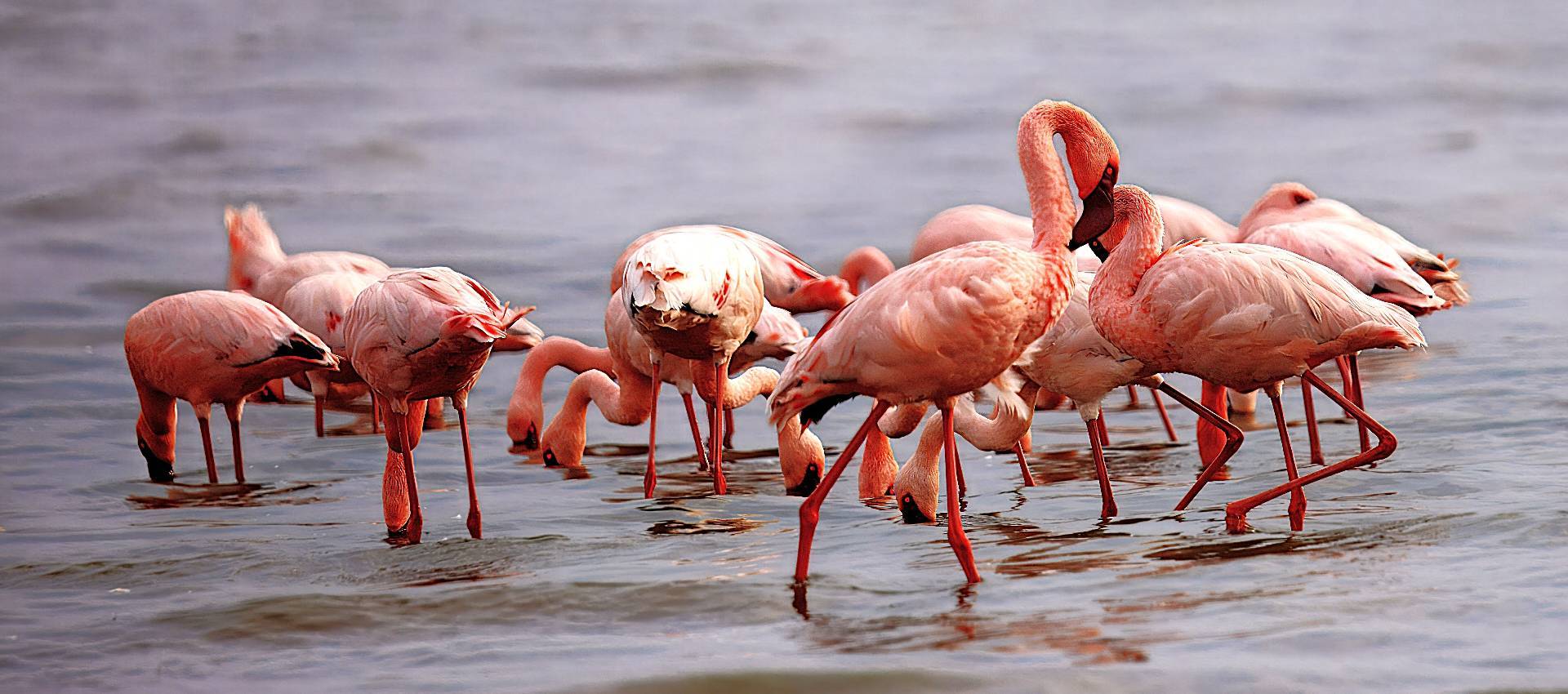
At Natures Wonderland Safaris, we specialise in creating unforgettable birding safaris across Africa, designed with UK travellers in mind. With over 20 years of guiding experience, we take you to the heart of Kenya, Uganda, and Tanzania, from the Rift Valley’s flamingo-filled lakes to Uganda’s famous Grey Crowned Crane and the Serengeti’s wide open plains. Expect expert birding guides, trusted accommodations, and seamless travel arrangements, all crafted to give you comfort, safety, and the best possible birdwatching experiences.











Where do UK Travellers go for the Best Birding Safaris in Africa?
Kenya, Tanzania and Uganda Birding Watching Safari Packages
Price Per Person:
$
Price Per Person:
$
Why go for African Birding Safaris from the UK?
An African birding safari is unlike anything you can experience at home. While the UK has a rich birdlife of its own, Africa offers a dazzling variety of species — from vibrant bee-eaters and sunbirds to majestic raptors and the iconic Grey Crowned Crane. For many UK birdwatchers, the chance to spot hundreds of lifelist species in just one trip makes Africa a dream destination.
Here’s why so many travellers from the UK choose to visit Africa for birding safaris:
Is It Safe to Go on a Birding Safari in Africa?
Yes. Birding safaris in Africa are safe. With the right arrangements, they are also very comfortable and enjoyable. At Natures Wonderland Safaris, we have over 20 years of experience hosting travellers from the UK, many of whom return home delighted with how smooth and rewarding the experience was.
Here’s why so many UK travellers trust our safaris:
Best Time to Go for Birding Safaris in Africa from the UK
Birdwatching in East Africa is rewarding all year round, but the experience changes with the seasons. Resident species are always present, while migratory birds arrive between November and April, offering an added spectacle for visiting birders. Each month brings its own highlights in Kenya, Uganda, and Tanzania — from flamingo-filled lakes to rare forest endemics and large flocks of migratory species.
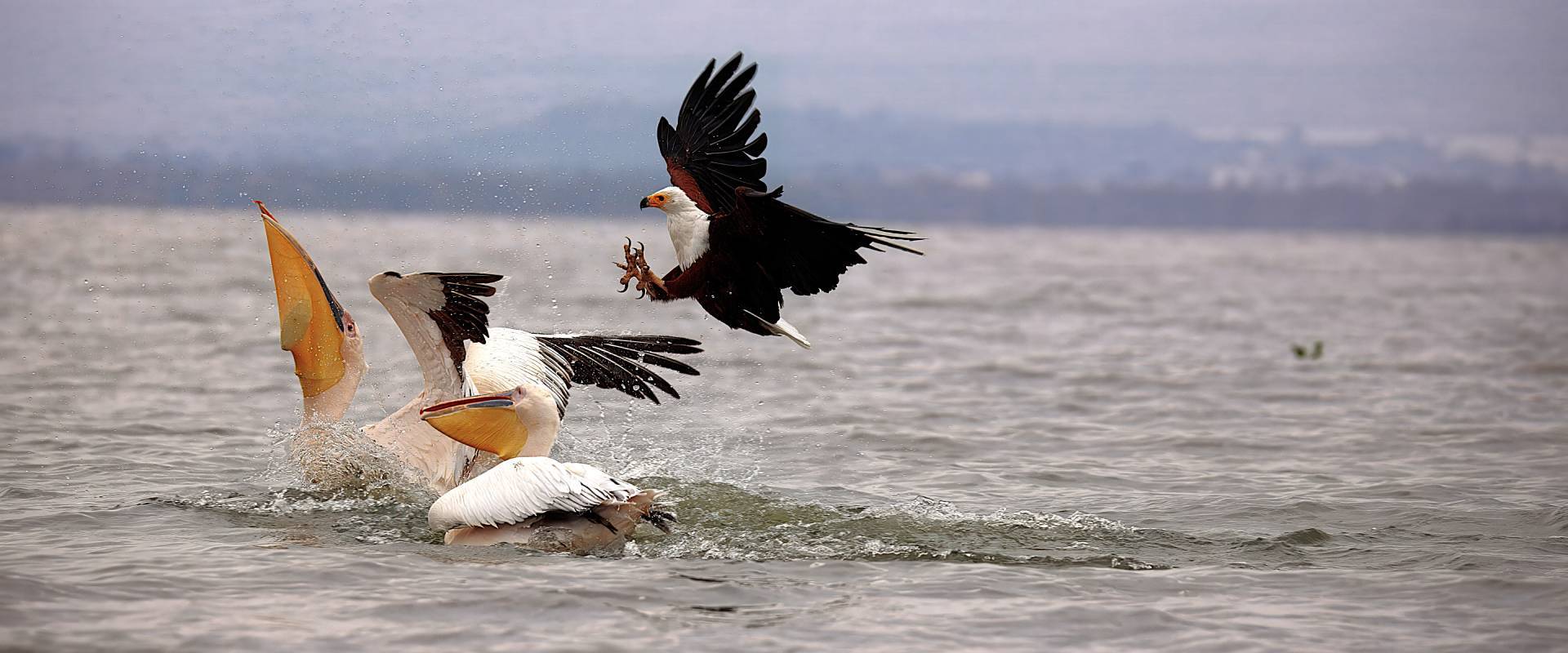
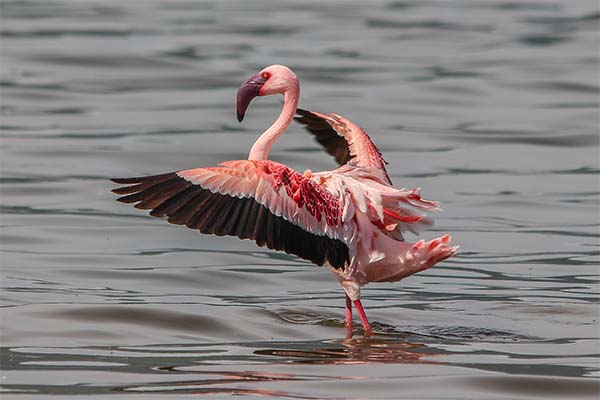
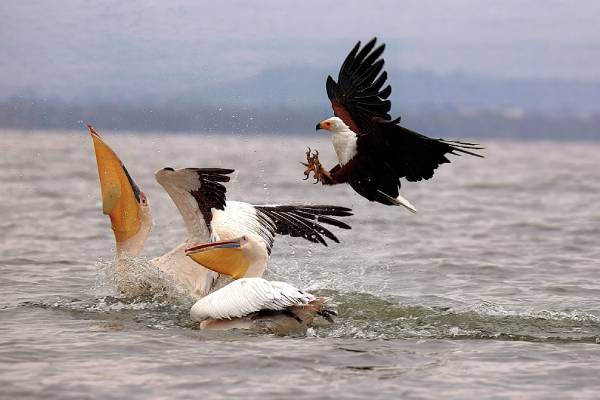
- Kenya: Rift Valley lakes (Nakuru, Bogoria, Naivasha) are alive with flamingos and pelicans. Migratory species from Europe and Asia are common.
- Uganda: The dry season makes birding excellent in Queen Elizabeth National Park and Murchison Falls, with sightings of African Fish Eagles and migratory raptors.
- Tanzania: The Serengeti plains are active with both resident birds and migrants. Grey Crowned Cranes are often seen around wetlands.
- Kenya: Peak time for waterbirds at Lake Baringo and Lake Bogoria. Migrants like Steppe Eagles and Marsh Harriers are still around.
- Uganda: Shoebill spotting is excellent in Mabamba Swamp due to lower water levels.
- Tanzania: Migrant bird species are still abundant in Tarangire and Ngorongoro. Breeding displays begin for weavers and bishops.
- Kenya: Migrants still present, especially waders at Rift Valley lakes. Raptors peak in migration corridors.
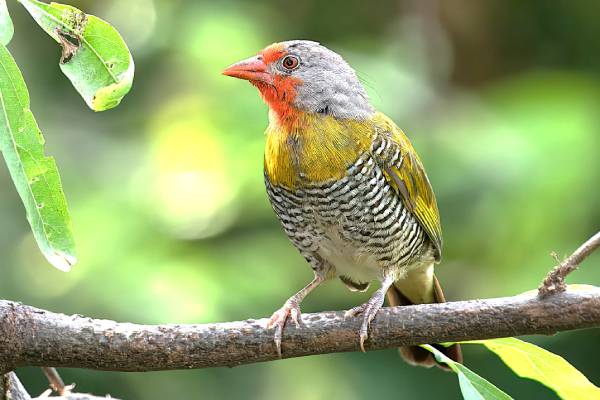
- Uganda: Kibale and Bwindi forests are excellent for Albertine Rift endemics like the African Green Broadbill.
- Tanzania: Bird activity remains strong in Serengeti; storks and pelicans flock to seasonal wetlands.
- Kenya: Rain brings lush habitats. Many resident species enter breeding plumage. Migrants begin returning north.
- Uganda: Excellent forest birding in Bwindi; colorful species like Great Blue Turacos are easily seen.
- Tanzania: Wetlands attract herons, egrets, and storks in large numbers.
- Kenya: Still rainy but rewarding for photographers as birds display full breeding plumage. Thich-billed Cuckoos are very vocal.
- Uganda: Forest birding in Kibale and Budongo is rewarding; many species are nesting.
- Tanzania: The rains taper off — Arusha and Usambara Mountains are alive with endemics.
- Kenya: Great time for resident species. Samburu is excellent for dry-country specialists like Somali Ostrich and Vulturine Guineafowl.
- Uganda: Shoebill sightings peak again in wetlands. Raptors like Bateleurs and Snake Eagles are common.
- Tanzania: Cooler, drier weather makes birding comfortable in Serengeti and Ngorongoro.
- Kenya: Rift Valley lakes still host large flocks of flamingos. Aberdares are good for montane species.
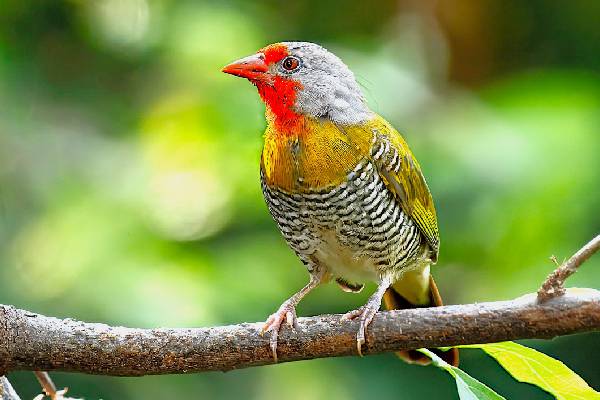
- Uganda: Excellent forest birding, with chances to spot Green-breasted Pitta in Kibale.
- Tanzania: Good for both game and birding in Serengeti, with abundant raptors following the wildebeest migration.
- Kenya: Nairobi National Park is surprisingly good for birding, with over 500 species including Secretary Birds and Crowned Cranes.
- Uganda: Forests remain rewarding; papyrus endemics like Papyrus Gonolek are vocal.
- Tanzania: Wetlands attract spoonbills, storks, and ibis.
- Kenya: Coastal regions (Arabuko-Sokoke Forest, Mida Creek) are excellent for coastal and forest specialists like the Sokoke Scops Owl.
- Uganda: Good time for birding in Mgahinga and Bwindi for Albertine Rift endemics.
- Tanzania: Forest birding is strong in Usambaras and the Eastern Arc Mountains.
- Kenya: Migrant birds begin arriving back from Europe and Asia, boosting diversity. Lakes and wetlands are busy again.
- Uganda: Excellent month for both forest and savannah birding.
- Tanzania: Start of short rains — woodlands become active, with weavers and bishops entering breeding plumage again.
- Kenya: Peak arrival of Palearctic migrants: warblers, waders, and raptors fill the skies.
- Uganda: Mabamba Swamp birding is excellent again for Shoebill and migrant waders.
- Tanzania: Tarangire and Serengeti host a great mix of resident bird species and new arrivals.
- Kenya: Rift Valley lakes are full of migratory species; flamingo numbers often peak. Great month for birding around Lake Naivasha.
- Uganda: Savannah parks like Murchison Falls and Queen Elizabeth are rich with both migrants and residents.
- Tanzania: Wetlands around Serengeti attract large flocks of storks and pelicans; raptors are abundant.
Types of African Birding Safaris from the UK
Birdwatching in Africa offers a remarkable variety of experiences, and the right safari depends on the kind of journey you’d like to have. Whether you’re a dedicated birder, a photographer, or enjoy spotting wildlife at a gentler pace, there’s an option to suit every interest.